Why Artificial Turf in Austin Is a Smart Upgrade for Your Yard
Living with an Austin Lawn
If you have a yard in Austin, you know the drill. From May through September, the sun bakes the ground hard, and your water bill climbs higher than the temperature. I have spent more weekends than I can count nursing patches of St. Augustine that just would not take, running sprinklers at dawn, and watching the grass turn brown no matter what I did. A neighbor finally convinced me to look into artificial turf, and I wish I had done it years earlier.
Artificial turf Austin Cen-Tex Artificial Turf is not the shiny, plastic-looking grass you remember from mini-golf courses. Modern turf has come a long way. The blades are softer, the colors are more natural, and the backing systems drain water instead of pooling it. For a city that swings between drought and sudden downpours, that makes a real difference.
What Makes Artificial Turf Work in This Climate
Austin sits in a tricky zone. We get hot, dry summers and occasional floods. Natural grass struggles because its roots stay shallow. Artificial turf, on the other hand, sits on a permeable base that lets rain pass through. You do not have to water it, mow it, or fertilize it. That alone saves hundreds of gallons of water each season and keeps you out of the heat.
I have seen people worry that turf will get too hot to walk on in July. That is a fair concern. But a good quality turf with a lighter shade and proper infill stays cooler than dark asphalt or concrete. You can also hose it down for a quick temperature drop. The trade-off is worth it when you consider that a natural lawn in full sun requires daily watering just to stay alive, while turf asks for nothing.
Designing a Yard That Actually Gets Used
One of the things I love about artificial turf is how it changes the way you use your yard. Instead of a patchy lawn that you avoid stepping on, you get a surface that welcomes foot traffic. Kids can run, dogs can dig (within reason), and you can set up furniture without worrying about killing the grass underneath.
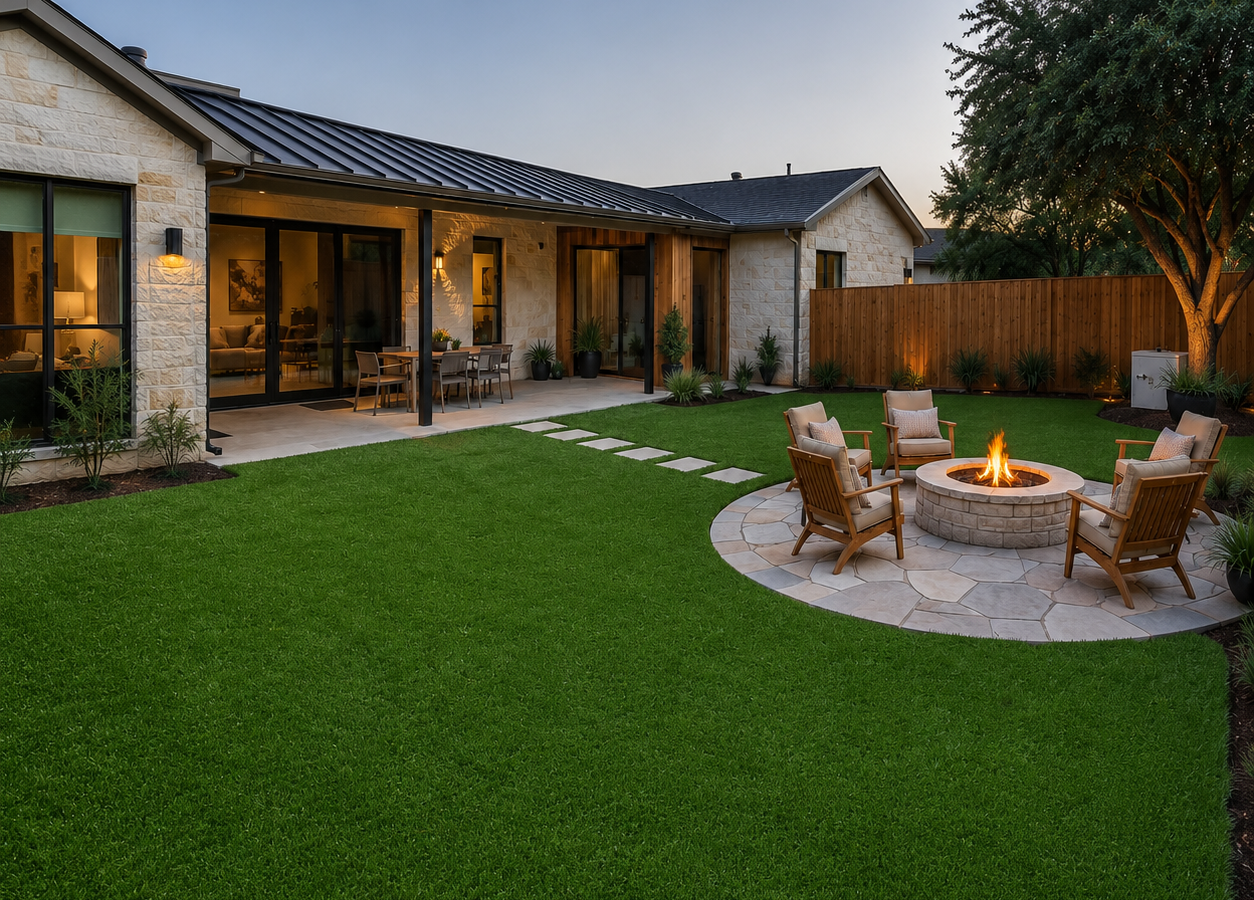
I helped a friend plan a small backyard for her two young kids. She wanted a play area that did not turn into mud every time it rained. We installed artificial turf over a compacted base with a built-in drainage layer. The result was a soft, green space that stayed clean even after a storm. She told me later that her kids played outside twice as much that summer because the yard was always dry and ready.
For pet owners, there are turf products designed with antimicrobial treatments and drainage that lets urine pass through rather than pooling. You rinse it with a hose, and the smell stays away. That is a huge improvement over natural grass, which develops yellow patches and bare spots from dog traffic.
Installation Matters More Than You Think
I cannot stress this enough: the quality of your artificial turf installation determines how long it lasts and how good it looks. A poor installation with lumps, wrinkles, or gaps will drive you crazy. A proper one starts with site preparation: removing the existing grass, grading the soil, compacting a base layer of crushed stone or decomposed granite, and then laying the turf with seaming tape and nails.
The team behind artificial turf Austin Cen-Tex Artificial Turf understands this process well. They focus on drainage and edge finishing, which are the two areas where most DIY jobs fail. If the ground is not level, water will pond. If the edges are not secured, the turf will curl. A professional install avoids those headaches and gives you a lawn that looks good for ten years or more.
Water Savings That Add Up
In a place like Austin, water conservation is not just a nice idea; it is a necessity. The city has imposed watering restrictions in dry years, and those restrictions are likely to continue. Artificial turf eliminates outdoor water use completely. For a typical 500-square-foot lawn, that can save around 22,000 gallons of water per year. That is not a small number.
I have talked to homeowners who were on the fence about the upfront cost of turf. They worried it was expensive. But when you factor in the cost of water, fertilizer, mower fuel, and your own time, turf pays for itself over a few seasons. Plus, you get a yard that stays green during a drought, which is a nice feeling when your neighbors' lawns are turning brown.
Choosing the Right Look and Feel
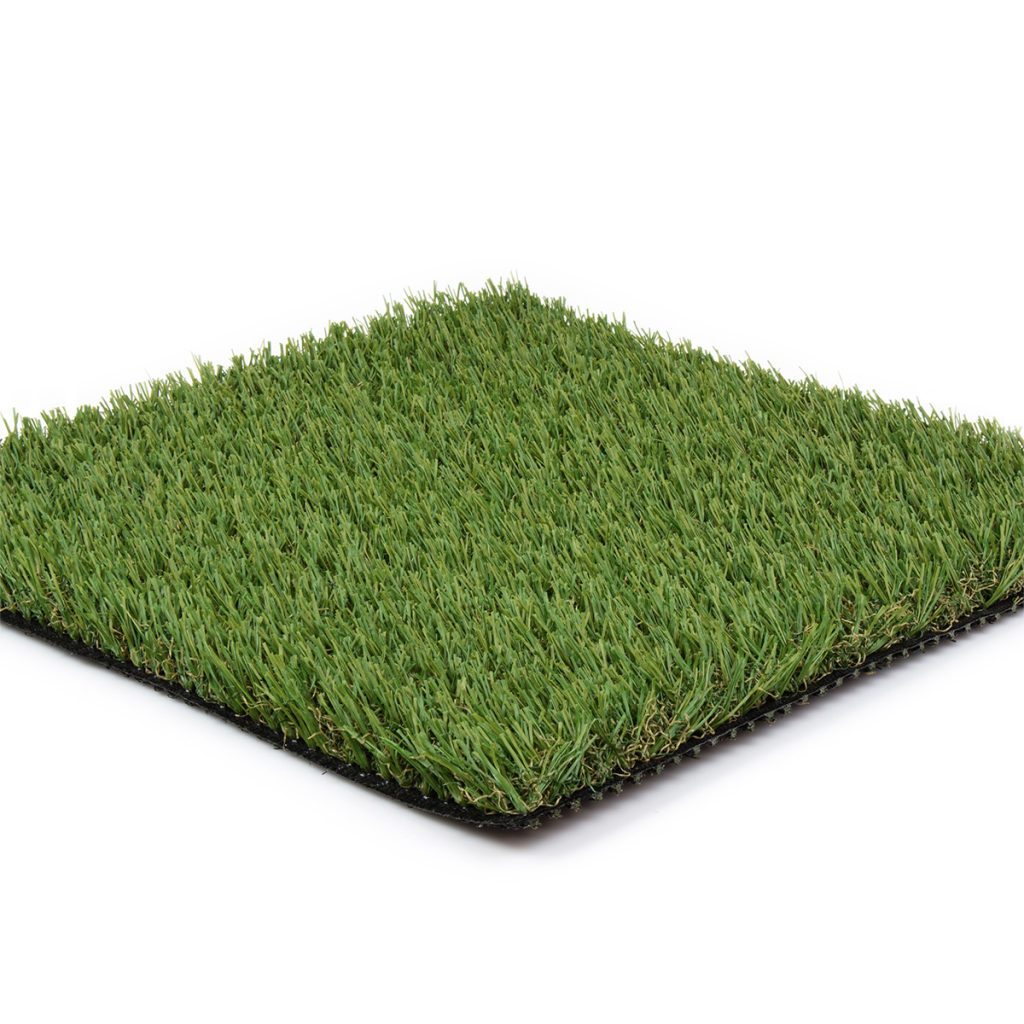
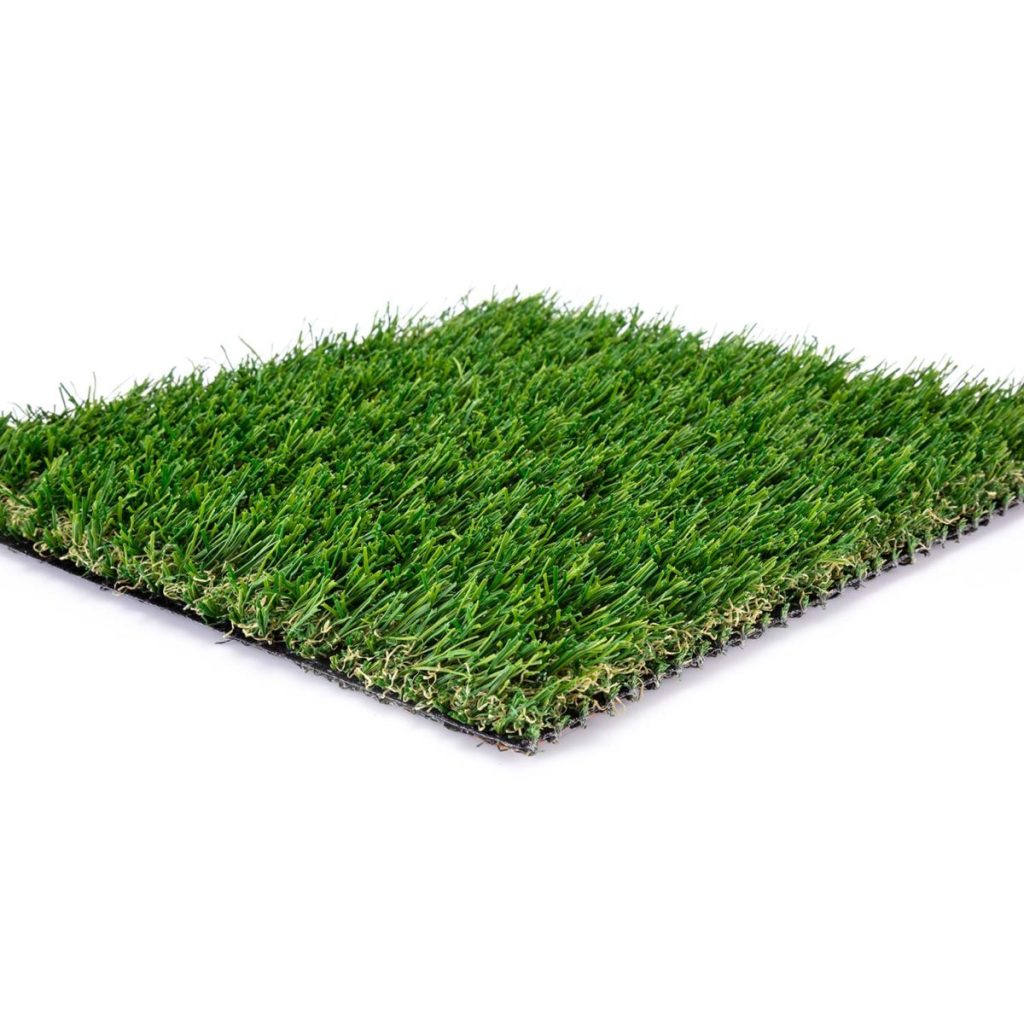
Not all turf looks the same. Some have a single blade shape and a uniform green. Others mix different blade shapes and two or three shades of green to mimic a natural fescue or Bermuda lawn. For a residential yard, I recommend a turf with a pile height between 1.25 and 1.5 inches. That is tall enough to feel soft underfoot but short enough to stay neat without grooming.
You also have a choice of infill: silica sand, rubber granules, or nothing at all. Sand adds weight and helps the blades stand upright. Rubber granules provide a softer feel and better impact protection for play areas. I have seen both work well; it depends on how you plan to use the space.
Maintenance Is Simple but Real
Artificial turf is low maintenance, not no maintenance. You will need to remove leaves and debris with a leaf blower or a rake designed for turf. If you have pets, you should rinse the area weekly to keep it fresh. You might also need to brush the blades occasionally to keep them from flattening in high-traffic spots. That takes about ten minutes a month. Compare that to mowing, edging, watering, and fertilizing a natural lawn, and it feels like a vacation.
I have had my own turf for three years now. I blow off leaves in the fall, rinse it once a month, and brush it maybe twice a year. It still looks the same as the day it was installed. My natural grass neighbors have replaced their lawns twice in that same period because of drought damage and fungus.
A Few Things to Watch Out For
No product is perfect. Artificial turf absorbs heat, especially in darker shades. If you live in a part of Austin that gets full afternoon sun, consider a turf with a lighter green color and a lower pile. You can also install shade structures or plant trees to reduce direct sun exposure.
Another thing to consider is the disposal of old turf. Eventually, after ten to fifteen years, you will need to replace it. Some manufacturers now offer recycling programs, but that is still a developing area. Ask your installer what they recommend for end-of-life removal.
Also, be careful with barbecue grills or fire pits on turf. Embers can melt the synthetic fibers. Keep hot surfaces off the lawn, or use a protective mat. That is a small precaution that prevents a big repair bill.
Final Thoughts from Experience
If you are tired of fighting the Central Texas sun with a hose and a mower, artificial turf is worth a serious look. It changes the way you think about your yard, from something you maintain to something you enjoy. The installation is an investment, but the payoff in time, water, and peace of mind is real.
For anyone in this area, artificial turf Austin Cen-Tex Artificial Turf offers a product that fits the local climate and lifestyle. It is not a one-size-fits-all solution, but for the right homeowner, it transforms an outdoor space into something truly usable year-round.
Follow Cen-Tex Artificial Turf on
 Instagram